Gunung Semeru Travel Guide

ContinentsAsia

CountriesIndonesia

CitiesSurabaya
Welcome back, everyone. Gunung Semeru looks like a straightforward climb on paper, a tall cone at the end of a well-worn trail.
It isn't. Java's highest mountain sits at 3,676 meters, and reaching the summit means dealing with permits, a long approach through volcanic terrain, and a final push that changes with the mountain's mood. Get the logistics right and it's one of the most rewarding treks in Indonesia.
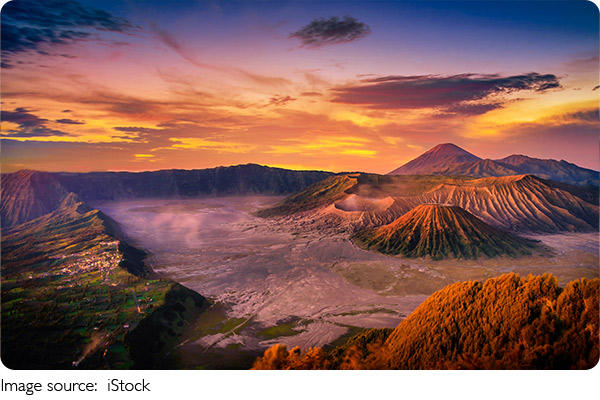
Why this peak earns the effort
Semeru is an active volcano, and that's not a background detail, it's the whole experience. The summit crater, Mahameru, still vents regularly, and the climb to the top edge puts you near an active vent. Most trekkers start from Ranu Pani village, the official gateway at around 2,100 meters, and the route passes through forest, savanna, and open volcanic ground before the final scree section.
You'll feel the altitude and the gradient both, so build in a rest day if your schedule allows.
Permits and the paperwork you can't skip
You can't just show up and walk. Every climber registers at the TNBTS (Bromo Tengger Semeru National Park) office, and the standard path runs through Ranu Pani, where you check in again. Bring a passport copy, a health certificate from a doctor, and enough cash for the park fee, which typically runs around 20 to 40 USD for foreign visitors depending on the season and whether you're on a weekday or weekend.
Register early. The daily quota fills up, especially on weekends and holidays, and turning up without a booking often means waiting a day at best.
Semeru
Getting to the trailhead
Most people fly into Surabaya, then take a bus or private car to Tumpang, roughly two to three hours away, and continue by 4x4 or ojek to Ranu Pani. The last stretch is rough, and a local driver who knows the road saves you real trouble.
From Ranu Pani, the trail starts gently enough, but the first day to Kalimati camp is a solid six to eight hours of walking through forest and then open hills. Start early, ideally before 7 a.m., so you reach camp with daylight to spare.
Timing, weather, and the summit push
The dry season, roughly April through October, gives you the most reliable conditions, though Semeru creates its own weather and afternoon clouds roll in fast. The summit push usually starts around midnight from Kalimati, and the section past Arcopodo is steep, loose, and slow going, so budget four to five hours up.
Turn around if conditions deteriorate, because the volcanic ground and wind don't forgive a late start. A headlamp, gloves, and a warm layer are non-negotiable for the pre-dawn climb.
Costs and practical planning
Budget around 150 to 250 USD per person for a guided three-day trip, covering the park permit, a local guide, porters, and transport from Tumpang. Solo climbing without a guide isn't permitted on the standard route, so factor that in. Carry at least three liters of water, a water filter for refills at camp, and cash, since there's no ATM past Tumpang.
Book your guide and permit at least a week ahead, and confirm the mountain's current status before you travel, because volcanic activity can close the summit without much warning.
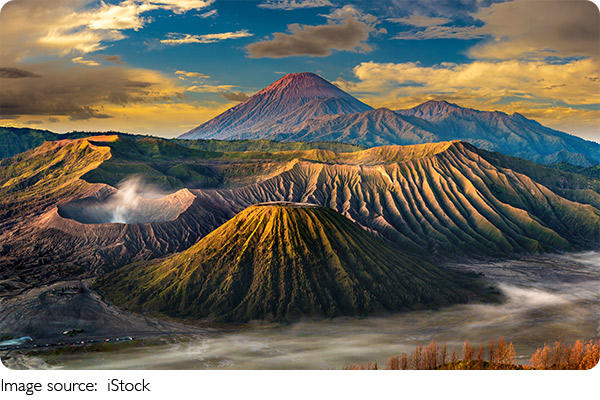
Semeru rewards preparation more than enthusiasm. Sort your permit, lock in a guide, and treat the midnight summit push with respect, and you'll walk away with a story worth telling. Next time you plan a volcano trek, remember that the paperwork and the early start are what get you to the top.