Bromo Highlands

ContinentsAsia

CountriesIndonesia

CitiesProbolinggo
Located in East Java, Indonesia, the Bromo Tengger Semeru massif is renowned for its dramatic volcanic terrain, expansive caldera, and sweeping highland views.
Within Bromo Tengger Semeru National Park, volcanic peaks rise above the Sea of Sand, while surrounding ridges and valleys create a striking landscape for nature lovers and photographers.
From panoramic sunrise viewpoints to mountain villages and scenic roads, the region offers a distinctive way to experience Java’s natural beauty. Careful planning helps visitors make the most of their journey while allowing time to appreciate the landscape at a relaxed pace.
Bromo Tengger Semeru National Park
Discover the Tengger Caldera
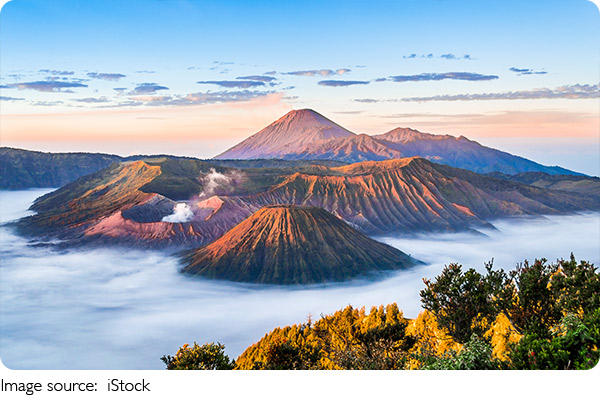
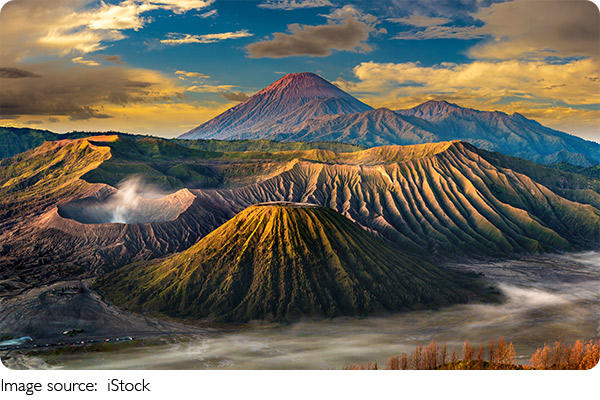
The Tengger caldera is the centerpiece of the Bromo landscape. Mount Bromo rises from the broad Sea of Sand, accompanied by the recognizable outline of Mount Batok and a series of surrounding volcanic ridges.
Elevated viewpoints, including Penanjakan and Seruni, provide expansive views across the caldera. Sunrise is particularly popular because the changing light reveals the contours of the mountains and creates striking opportunities for landscape photography. Visibility varies with weather conditions, so the experience can differ from one morning to another.
Early departures are common, making warm clothing, sturdy walking shoes, and drinking water useful essentials. Visitors should also allow time for the journey between their accommodation and the selected viewpoint.
Explore the Surrounding Highlands
Beyond the caldera, the national park encompasses grass-covered hills, rugged slopes, elevated ridges, and cultivated countryside. These contrasting landscapes offer a broader perspective on the region beyond its most famous volcanic formations.
Mount Semeru, the highest mountain on Java Island, forms part of the wider mountainous landscape and may be visible from suitable locations when conditions allow. Mountain roads also connect surrounding settlements, where visitors can observe the scenery of East Java’s highlands.
Short walks and guided sightseeing excursions provide ways to explore the area. Longer hikes require additional preparation, and permitted routes depend on current park regulations and conditions.
When to Visit
The period from April through October is generally associated with drier conditions in this part of Java and is often preferred for outdoor sightseeing. Weather patterns vary, however, and clear skies cannot be guaranteed.
Early morning is the traditional time for visiting the elevated viewpoints. Temperatures can be low before sunrise, particularly in exposed areas, so layered clothing is advisable.
Allow enough time for transfers, sightseeing, and photography rather than scheduling every stop too closely. Before departure, consult official park announcements for current opening arrangements, admission requirements, and access to individual attractions.
How to Get There
Surabaya and Malang are useful starting points for reaching the Bromo region. Both cities have transport connections within East Java, with the most suitable route depending on the arrival point and selected park entrance.
- By air: Fly to Surabaya or Malang, then arrange onward road transport.
- By train: Travel to a suitable railway station in East Java and continue by local transfer.
- By private car: Arrange a road transfer for greater flexibility when visiting viewpoints or staying overnight.
- By local jeep: Four-wheel-drive vehicles are commonly used for designated sightseeing routes around the caldera when access is permitted.
Cemoro Lawang is a practical base for exploring the Bromo area. Staying nearby can shorten the early-morning journey to the viewpoints and provide more time for sightseeing.
Accommodation and Travel Costs
Visitors can choose from simple guesthouses, homestays, and more comfortable mountain lodges. Cemoro Lawang is particularly convenient for early departures, while other towns in East Java offer alternatives for travelers with different itineraries.
The following figures are indicative budget estimates in US dollars, not verified live prices:
- Budget guesthouse: $15–$30 per room per night.
- Mid-range accommodation: $30–$60 per room per night.
- Higher-comfort lodge: $60–$100 or more per room per night.
- Shared sunrise excursion: Approximately $20–$40 per person.
- Casual meal: Approximately $3–$8 per person.
Actual costs depend on the season, accommodation availability, transport arrangements, and services included. Confirm current rates and whether excursions cover park admission, vehicle transfers, and planned stops before booking.
Local Food and Dining
East Java’s cuisine offers a range of simple, satisfying dishes to enjoy during a mountain trip. Local eateries may serve vegetable soups, rice dishes, fried noodles, fresh fruit, and warm drinks.
For early-morning excursions, arrange breakfast with your accommodation or prepare a light snack before departure. Carrying drinking water is also useful during sightseeing.
A basic food budget of approximately $8–$15 per person per day can provide a starting point for meals and drinks, depending on individual choices and location. Keep some cash available for small purchases, and confirm prices locally.
Practical Travel Tips
Preparation makes it easier to enjoy the highlands comfortably. Wear shoes suitable for uneven ground, bring warm layers for exposed viewpoints, and carry water for excursions.
Follow designated routes and current park instructions, particularly when planning activities near volcanic features. Check official visitor updates before traveling, as access arrangements can change. Longer excursions should be planned according to permitted routes and available guidance.
An overnight stay near the Bromo area can make an early start more manageable and leave additional time to explore the surrounding countryside.
Experience the Beauty of Java
The Bromo Tengger Semeru massif combines a vast volcanic caldera, distinctive mountain peaks, and panoramic highland scenery in one of Indonesia’s most recognizable natural regions. Its elevated viewpoints and expansive landscapes make it a rewarding destination for sightseeing and photography.
With a well-planned route, suitable accommodation, a realistic budget, and verified access information, visitors can experience the region’s defining landscapes while enjoying a more comfortable and rewarding journey through East Java.