Cuernos del Paine Guide

ContinentsSouth America

CountriesChile

CitiesPuerto Natales
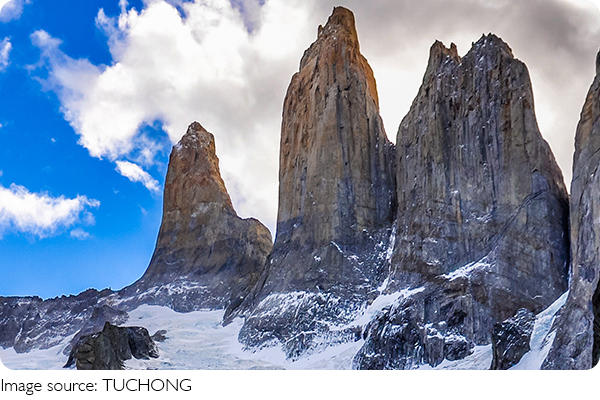
Located in Torres del Paine National Park in southern Chile, the Cuernos del Paine, also known as the Horns of Paine, are among Patagonia’s most recognizable natural landmarks.
Their distinctive granite formations rise above turquoise lakes and expansive valleys, creating a remarkable setting for sightseeing, photography, and outdoor adventures.
From accessible viewpoints to challenging mountain trails, the area offers experiences for different interests and fitness levels. Planning your route, transport, and accommodation in advance helps you enjoy the park at a comfortable pace.
Torres del Paine National Park
Admire the Horns of Paine
The Cuernos del Paine form part of the Paine mountain massif. Their sculpted summits and contrasting rock layers create a distinctive silhouette against the Patagonian sky. Geological activity and glacial processes have shaped the surrounding terrain over millions of years.
Lake Nordenskjöld offers impressive views of the peaks, while Lake Pehoé provides striking panoramas across turquoise water. Changing daylight creates different photographic opportunities, particularly during the morning and late afternoon.
Explore Scenic Viewpoints
Mirador Cuernos
This popular viewpoint provides an excellent perspective of the mountain formations and Lake Nordenskjöld. The walk is a rewarding option for visitors seeking impressive scenery without undertaking a lengthy trek.
Lake Pehoé
The vivid turquoise water and surrounding mountains make this lake a memorable stop for photography and sightseeing. Its shores offer opportunities to appreciate the scale of Patagonia’s landscape.
Salto Grande
This impressive waterfall connects the waters of Lake Nordenskjöld and Lake Pehoé. A walk to the designated viewpoint adds a striking natural feature to your itinerary.
Allow enough time for these stops, and check current access conditions before setting out.
Choose Your Hiking Route
Torres del Paine offers walking routes for different abilities and schedules. Shorter trails provide access to scenic viewpoints, while longer hikes reveal mountain valleys, dramatic rock formations, and glacial landscapes.
The French Valley is a highlight for its towering mountain walls and panoramic views. Sections of the W Trek offer a more immersive experience, with routes through remarkable terrain and access to scenery around Grey Glacier.
For longer hikes, bring suitable footwear, layered clothing, weather protection, and sufficient food and water. Multi-day routes require advance arrangements for campsites or mountain refuges. Check trail conditions and access requirements before departure.
Discover Patagonia’s Wildlife
The park supports diverse native wildlife and birdlife. Guanacos are frequently seen across the grasslands, while Andean condors may soar above the mountain slopes. Forests, wetlands, and open plains provide habitats for a variety of native species.
Binoculars are useful for wildlife observation, while a zoom lens helps capture distant subjects. Maintain a respectful distance from animals and stay on designated trails to protect their habitats.
Choose the Best Season
Spring and summer offer longer daylight hours for hiking and sightseeing. December through February is particularly popular, making early reservations helpful for accommodation and excursions.
Autumn brings seasonal colors to parts of the park, while spring introduces fresh vegetation and flowers. Each season offers a different landscape, although conditions vary with elevation and weather.
Patagonian weather can change quickly throughout the year. Pack layers, a waterproof jacket, and wind protection, and check the forecast before outdoor activities.
How to Get There
Puerto Natales is a convenient gateway to Torres del Paine National Park. Travelers can reach the town by bus from Punta Arenas or by available regional flights. From Puerto Natales, scheduled buses, rental cars, and organized tours provide access to the park.
Estimated transport costs
- Return bus journey between Puerto Natales and the park: approximately $20–$40 per person.
- Rental car: approximately $60–$150 per day, excluding fuel and insurance.
- Guided day tour: approximately $80–$180 per person, depending on the itinerary.
These figures are general budgeting estimates. Confirm current fares, schedules, and availability before booking.
Where to Stay
Puerto Natales offers a range of guesthouses, hostels, and hotels, making it a practical base for day trips. Accommodation within or near the national park is convenient for travelers planning early starts or extended hikes.
Estimated accommodation costs
- Campsite: approximately $15–$50 per person per night.
- Shared hostel or mountain refuge: approximately $40–$120 per person per night.
- Hotel or comfortable lodge: approximately $120–$350 or more per room per night.
Prices depend on the season, location, and facilities. Reserve campsites and mountain refuges well in advance for multi-day hiking trips.
Enjoy Local Food
Puerto Natales has cafés and restaurants where visitors can take a break before or after exploring the park. Dining options within the national park are more limited in some areas, so planning meals is particularly useful for longer excursions.
Estimated food costs
- Light meal or café stop: approximately $5–$15 per person.
- Simple restaurant meal: approximately $10–$20 per person.
- Full restaurant meal: approximately $20–$40 per person.
Prices vary by location and establishment. For longer hikes, arrange meals and pack sufficient snacks and drinking water before entering remote areas.
Plan Your Visit and Budget
Park admission is separate from transport, accommodation, and excursions. Ticket prices depend on the visitor category and length of stay, so check the current admission tariff before purchasing tickets.
Other potential expenses include equipment rental, boat excursions, and guided activities. Comparing available options helps you plan a trip that suits your budget and schedule.
For a short visit, prioritize Mirador Cuernos, Lake Pehoé, and Salto Grande. With several days available, consider a longer hiking route to experience more of the park.

Experience the Beauty of Patagonia
The Cuernos del Paine showcase the distinctive landscapes of Torres del Paine National Park, bringing together dramatic granite peaks, turquoise lakes, and expansive mountain valleys.
Whether you prefer scenic walks, landscape photography, or multi-day trekking, this remarkable destination offers a memorable way to experience Chilean Patagonia. Prepare for changing weather, arrange essential bookings ahead of time, and choose activities that match your available time and hiking experience.