Pamukkale's Cotton Castle

ContinentsAsia

CountriesTürkiye
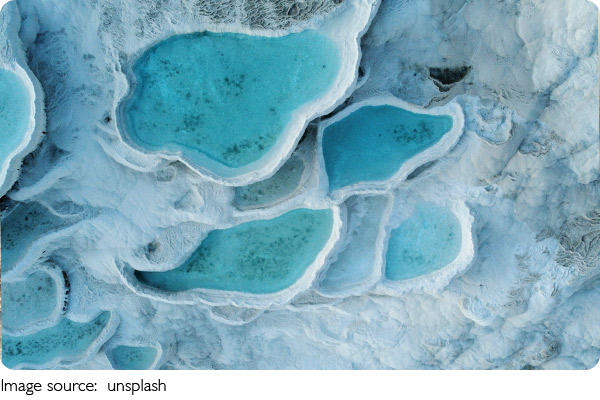
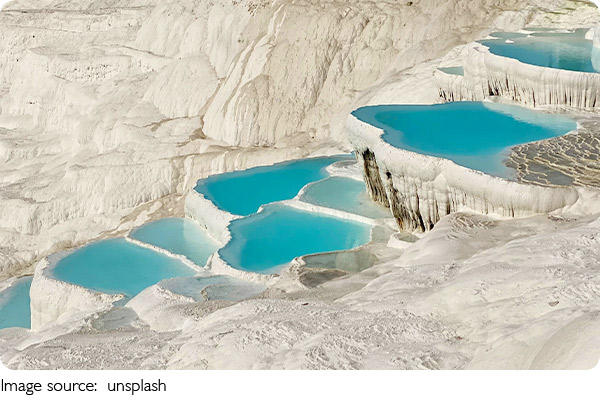
Imagine arriving at a hillside covered in brilliant white terraces, where pale mineral formations surround pools of blue water. This is Pamukkale, one of Türkiye's most distinctive natural attractions, located in Denizli Province and famously known as the Cotton Castle.
Beyond its remarkable landscape, Pamukkale is home to the ancient city of Hierapolis, making it possible to explore natural wonders and centuries of history in one visit. With the right timing and a little planning, you can enjoy the terraces, archaeological sites, local food, and even a sunrise balloon flight.
Where is Pamukkale? How Do We Get There?
Pamukkale sits approximately 20 kilometers north of Denizli city center, surrounded by the countryside of southwestern Türkiye.
Most visitors arrive via Denizli, where local minibusses connect the bus terminal to Pamukkale village in about 25–40 minutes. Fares are inexpensive, generally equivalent to a few US dollars, although schedules and departure platforms should be confirmed locally.
Travelers flying into Denizli Çardak Airport should allow approximately an hour or longer to reach the area. Airport shuttles usually connect with Denizli, while private transfers to Pamukkale can be arranged in advance.
From İzmir or Antalya, intercity buses generally take about 3 to 5 hours, depending on the route. Travelers coming from Cappadocia may prefer an overnight journey or a connecting flight.
Once in Pamukkale village, the lower entrance to the terraces is within walking distance of many guesthouses.
Pamukkale
Tickets and Opening Hours
The main archaeological site combines the famous white terraces with the ruins of Hierapolis, allowing visitors to explore both attractions with a single admission ticket.
International visitor admission has been advertised at approximately €30 in recent pricing periods, but Turkish museum tariffs change. Check the official ticket price before traveling rather than relying on a fixed dollar amount.
There are three principal entrances: the South Gate, North Gate, and the lower entrance near Pamukkale village.
Opening hours vary by season and entrance. Summer access may begin as early as 6:30 AM at selected gates, while winter hours are generally shorter.
The Antique Pool, often called Cleopatra's Pool, has traditionally required a separate swimming ticket. Its availability has been affected by restoration work, so do not assume swimming is possible without checking its current status.
For official visitor information, consult the relevant Turkish cultural heritage authorities.
Best Time to Visit
Spring and autumn are especially pleasant for exploring Pamukkale on foot.
During April and May, daytime temperatures often range from approximately 18°C to 25°C, creating comfortable conditions for walking among the terraces and ancient ruins.
September and October bring similarly appealing weather, although early September can still be hot.
Summer, from June through August, is much warmer, with daytime temperatures frequently exceeding 30°C and sometimes approaching 40°C.
Winter offers quieter surroundings and potentially lower accommodation prices, but conditions can be cold and rainy.
For photography, early morning provides softer light, while late afternoon can create warm reflections across the white hillside.
April, May, September, and October are particularly attractive months for combining comfortable sightseeing with beautiful scenery.
White Terraces and Photography
Pamukkale's remarkable white landscape formed over thousands of years as calcium-rich thermal water flowed down the hillside, depositing calcium carbonate.
These deposits created the travertine terraces that give the destination its famous cotton-like appearance.
As you approach, the white slopes seem almost covered in snow, yet the formations are mineral deposits rather than ice.
Visitors can walk barefoot through designated sections, where shallow pools and flowing water create an unusual experience.
Footwear must be removed in these protected areas to help preserve the delicate surface.
Not every terrace contains water at all times, since water flow is managed to protect the formations. Some of the most recognizable pools are also artificial visitor-access features rather than untouched natural basins.
Bring a small bag for your shoes and take care on slippery surfaces.
Hierapolis and Antique Pool
Above the white terraces lie the ruins of Hierapolis, an ancient city that developed around the area's thermal springs.
Walking through the archaeological site reveals impressive remains, including a large Roman theater, ancient streets, and an extensive necropolis.
The theater is particularly memorable, with its tiered seating overlooking the surrounding landscape.
Allow at least two hours to comfortably explore the main ruins, especially if you enjoy history and photography.
The Hierapolis Archaeology Museum displays artifacts from the ancient city and nearby sites, although separate opening arrangements may apply.
Another famous attraction is the Antique Pool, known for its warm mineral water and submerged ancient architectural fragments.
Because access and restoration arrangements can change, confirm whether the pool is open before including a swim in your itinerary.
Hot-Air Balloon Experience
For a different perspective, some visitors choose to admire Pamukkale from a hot-air balloon at sunrise.
As the balloon rises, the white terraces, surrounding farmland, and ancient ruins become part of a wide landscape.
Flights typically last 45–60 minutes, though the overall experience takes longer when transfers and preparation are included.
Prices often range from about $115 to $210 per person, depending on the operator, season, and availability.
Hotel pickup may be included, but this should be confirmed when booking.
Balloon flights depend heavily on weather conditions and aviation permissions, so departures are never guaranteed.
If this experience is a priority, reserve ahead and allow some flexibility in your schedule in case the flight is postponed or canceled.
Accommodation Budget Guide
Pamukkale village is a convenient place to stay, particularly if you want to visit the terraces early in the morning.
Small guesthouses and family-run hotels create a relaxed atmosphere, with many properties offering breakfast and views of the surrounding countryside.
Budget rooms may cost $30–$45 per night, while mid-range hotels often cost $50–$85 per night.
More comfortable thermal hotels and resorts can cost $100–$150 or more, especially during busy travel periods.
Denizli offers additional accommodation options, though staying there requires arranging transport to the terraces.
Spring and autumn are popular seasons, so booking ahead can help secure a room close to the entrance.
Dining Prices
After exploring the terraces and Roman ruins, Pamukkale village offers several places to enjoy a relaxed meal.
Local restaurants serve Turkish favorites such as pide, grilled meats, soups, salads, and freshly baked bread.
A simple meal may cost approximately $5–$10 per person, while a casual restaurant lunch or dinner often ranges from $10–$15.
For a more substantial evening meal, allow around $15–$25 per person. Coffee or tea generally costs a few dollars.
These are approximate planning figures, and actual prices depend on the restaurant and exchange rate.
Dining near the busiest tourist entrances may cost more than eating at smaller village establishments.
If your guesthouse includes breakfast, you can save both time and money before an early visit.
One-Day Travel Itinerary
A full day is enough to enjoy Pamukkale's main highlights without rushing, provided you plan around the opening hours.
Begin in the morning at whichever entrance is operating early, then spend time photographing the white terraces before the busiest tour groups arrive.
Continue uphill toward Hierapolis, where the Roman theater and ancient streets deserve a leisurely exploration.
Around midday, take a break for lunch in Pamukkale village or at a nearby dining facility.
If the Antique Pool is open, consider visiting in the afternoon. Otherwise, spend more time exploring the archaeological remains and surrounding viewpoints.
Late afternoon brings softer light across the terraces, making it a lovely time for final photographs.
Remember to check reentry rules before leaving the ticketed area, since you may not be able to return using the same ticket.
Travel Tips
Pamukkale is best explored in comfortable clothing, with sun protection, and with enough time to enjoy the scenery.
Bring sunglasses, sunscreen, a hat, and drinking water, particularly during summer.
Wear supportive walking shoes in the archaeological areas, but remember to remove them when entering designated sections of the travertine terraces.
The local currency is the Turkish lira, so keep some cash for minibusses and smaller purchases.
Allow approximately $80–$130 per person for a basic sightseeing day, depending on the current admission fee, transport, and meal choices. This excludes accommodation, balloon flights, and optional swimming.
Before departure, verify ticket prices, entrance hours, and Antique Pool availability.
Respect the marked paths and avoid entering closed terrace areas, even when they appear suitable for photographs.
Pamukkale brings together two remarkable experiences: a hillside shaped by mineral-rich thermal waters and an ancient city filled with Roman history. From walking barefoot across the designated white terraces to exploring the theater at Hierapolis, there is plenty to discover in a single day. Staying nearby makes an early visit easier, while spring and autumn offer comfortable conditions for sightseeing. With transport, admission, meals, and optional activities planned in advance, a visit to Pamukkale becomes an enjoyable journey through one of Türkiye's most unusual landscapes.