Paris Without the Rush

ContinentEurope

CountryFrance

CityParis
Welcome, readers. Most first trips to Paris get built around a checklist, and the checklist usually wins.
You see the tower, you see the line, you see the clock. But Paris rewards the traveler who slows down and picks a few things to do properly instead of sprinting through twenty. Here's how to plan a trip that actually feels like one.
Pick a Base That Works
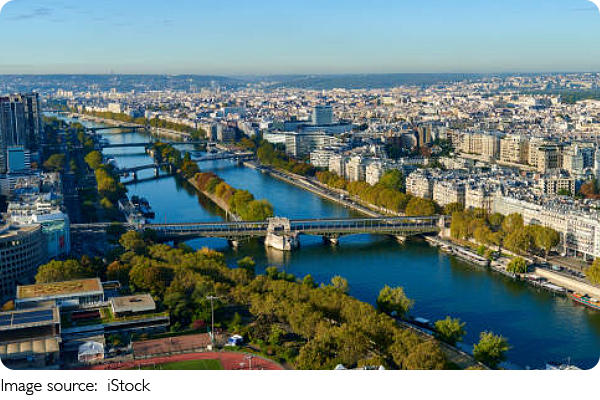
Paris is split into 20 arrondissements that spiral out from the center, and where you sleep changes your whole trip. The 5th and 6th on the Left Bank put you near the Seine, the Luxembourg Gardens, and the Cluny museum, and a decent three-star room there runs around $180 to $250 a night. The 10th and 11th are cheaper, closer to $120-$170, and offer Canal Saint-Martin and a stretch of real neighborhood life. If you're staying a week, look at the outer arrondissements near a metro line and save the money for museum tickets.
Paris
Get the Metro Card Right
The single ride ticket costs about $3, but buying singles all week adds up fast. The weekly Navigo pass covers unlimited rides across all zones for roughly $38. That pass alone can pay for itself in three days. Trains run from about 5:30 in the morning until around 1:15 at night, and after that you're on night buses or a taxi.
Beat the Museum Lines
The Louvre draws around nine million visitors a year, and the queue at the pyramid entrance can eat an hour before you've seen a single painting. Instead, book a timed slot online and enter through the Porte des Lions entrance on the river side, which is usually quieter. Go straight to the Denon wing for the Italian paintings, then work backward through the crowds. The Musee d'Orsay is smaller and easier, and its fifth floor impressionist galleries are worth the whole trip on their own. Most national museums are free on the first Sunday of the month, which is great and also means they're packed, so plan accordingly.
Walk the City in Sections
Paris is small enough to cross on foot in an afternoon if you pick one side. Start at Notre-Dame, cross to the Ile Saint-Louis for the quieter streets, then follow the river west toward the Tuileries. On the other side, the Marais gives you the Place des Vosges and the Picasso museum within a fifteen minute walk. Wear proper shoes. The cobblestones around the old streets are uneven, and a full day of walking here covers six or seven miles without you noticing.
Time Your Visit Around the Season
July and August bring heat and long lines, and many small shops close for a few weeks. Late September and early October are the sweet spot, with mild weather and thinner crowds. Winter is quieter still, and the museums empty out on weekday mornings. Book major attractions two to three weeks ahead in summer, and check opening days, since many places close on Mondays or Tuesdays.
Treat Paris as a place to return to rather than a place to finish, and your first trip gets a lot less stressful. Pick two museums, one long walk, and one neighborhood you return to twice. The city gives back whatever time you give it, and next time you plan a trip, start with what you want to feel, not what you want to tick off.