Hike Smart, Pack Lighter

ContinentNorth America

CountryUnited States
It isn't uncommon for most people to overpack for a day hike and underprepare for the weather.
You end up carrying a heavy bag full of things you never touch, while the one layer that actually matters sits at home in a drawer. Getting the clothing and safety basics right requires less gear than you think and makes the whole day easier.
Layers Beat One Big Jacket
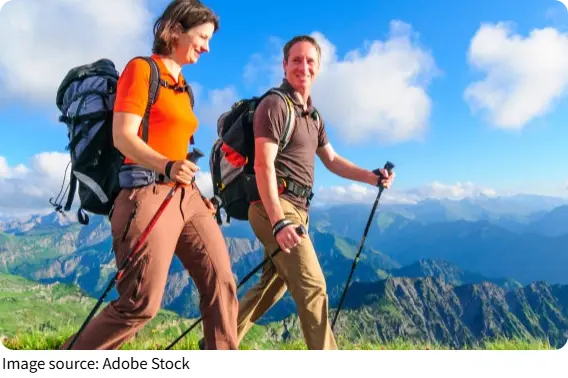
Three thin layers handle more conditions than one thick coat. Start with a moisture-wicking base layer, add a fleece or a light insulated mid-layer, and finish with a packable shell that blocks wind and rain. On a cool morning at a place like Mount Tamalpais in California, you might start in all three, remove layers to the base by midday, then pull the shell back on when the fog rolls in. Cotton is the one fabric to leave behind. It holds sweat against your skin and stays cold once it's wet. Merino wool or a synthetic blend dries fast and keeps you warmer when damp.
Footwear Decides Your Day
Trail runners work fine for dry, well-graded paths, but rocky or wet routes call for a boot with a stiffer sole and deeper tread. Break in new footwear on a short local walk before a big hike. Blisters come from friction and moisture, so pair moisture-wicking socks with a liner and carry a small roll of tape. On a 10-mile route with 2,000 feet of climbing, like the trails around Zion's Watchman area, a hot spot caught early saves you the last three miles.
Pack the Ten Essentials
The classic list holds up: navigation, sun protection, insulation, illumination, first aid, fire, repair kit, nutrition, water, and emergency shelter. A paper map and compass don't run out of battery. A headlamp weighs a few ounces and gets you out if daylight fades faster than planned. Two liters of water is a reasonable baseline for a half-day hike in mild weather, more in heat or on exposed climbs. Add a small first aid kit with blister care, pain relief, and an elastic bandage.
Read the Trail Before You Go
Check the route distance, elevation gain, and expected conditions, not just the photos. A trail listed as 6 miles can feel much longer with 3,000 feet of gain, and afternoon storms build fast in places like the Rockies. Tell someone your route and expected return time. Turn around if weather moves in or you're running behind schedule. Most rescues start with a hiker who pushed past a clear signal to stop.
Small Habits Keep You Safe
Start early. You get cooler temperatures, softer light, and a buffer if something slows you down. Eat and drink before you feel hungry or thirsty, since both signals lag behind actual need on a climb. Carry a lightweight emergency bivy or space blanket even on a sunny forecast. And learn to recognize the early signs of hypothermia, like slurred speech and clumsy hands, because they creep up when you're tired and cold.
Get the layers and footwear right, pack the essentials, and check the route before you leave the car. That's most of what keeps a hike smooth. Next time you head out, try carrying one less thing and one more safety item, and see how much lighter the day feels.